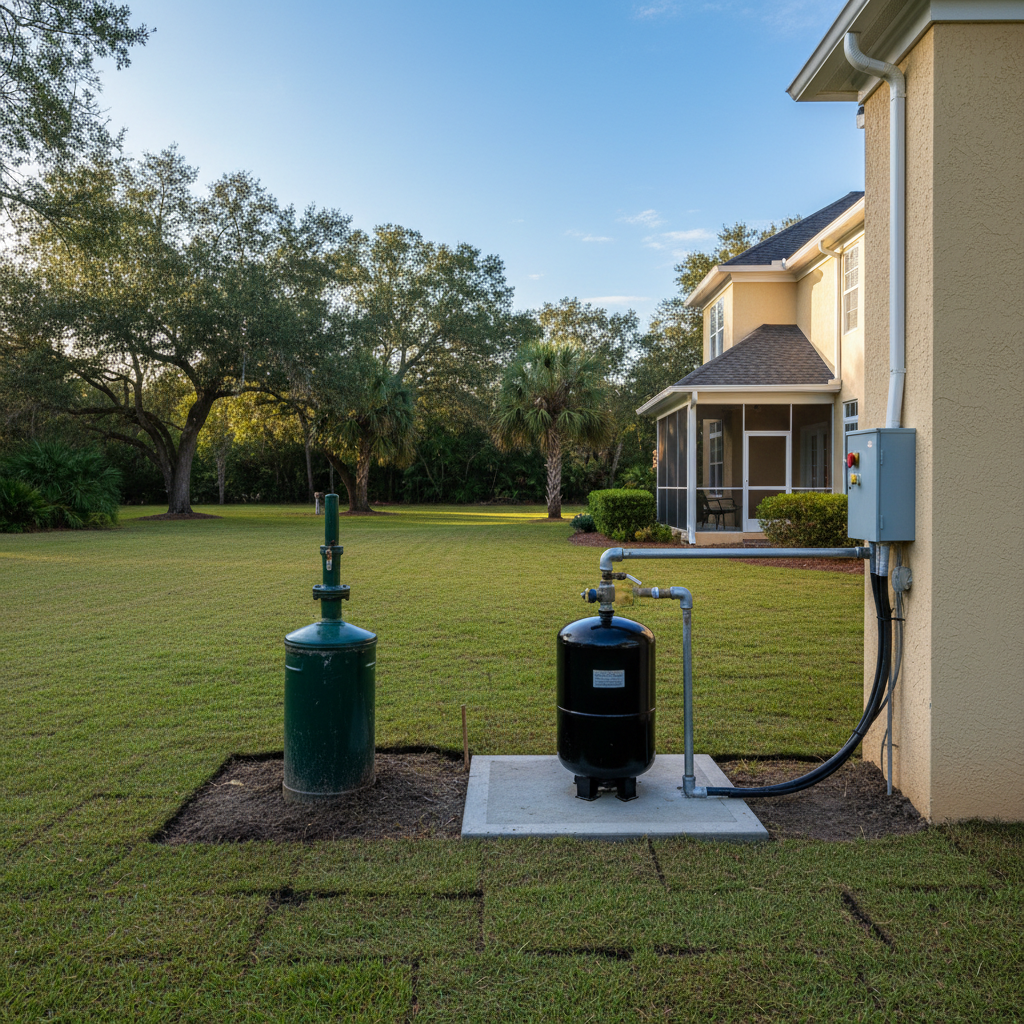
You're thinking about a new well pump, or maybe replacing an old one. Great. But when's the right time to pull the trigger? And what about all the rain and humidity we get here in Summerville? Folks often ask me about the best time to schedule this kind of work, and it's a good question. It's not just about when we're available; it's about making sure the job goes smoothly and your system is set up for long-term success.
When to Schedule Your Pump Installation
Honestly, the best time to install a well pump is usually when you need one. If your old pump just quit, you don't have much choice, right? We'll get out there as fast as we can. But if you're planning ahead, maybe for a new construction or an upgrade, there are better times than others.
Spring and fall are generally ideal. The ground isn't frozen solid like it can get up north (not really an issue here, thankfully), and it's not brutally hot and humid like our summers. When it's 95 degrees with 90% humidity, working in a ditch or a cramped pump house is tough on the crew, and it can even affect some of the equipment we use. Plus, if we hit a dry spell, the water table might be lower, which isn't a problem for the install itself, but it's something to keep in mind for your long-term water supply.
Winter can be fine too, especially our mild Summerville winters. We don't often deal with hard freezes that make digging impossible, but a cold snap can make things a bit slower. The main thing is avoiding extreme weather, which brings me to my next point.
Weather Conditions That Affect Our Work
Our Lowcountry weather can be a real wildcard. Here's what we're always watching:
- Heavy Rain: This is a big one. Digging in a downpour is just a mess. It turns the ground into slick mud, makes trenches dangerous, and can flood the work area. We can't always predict a sudden afternoon thunderstorm, but if the forecast calls for a solid day of rain, we'll likely need to reschedule. It's for everyone's safety and to make sure the job gets done right, without mud getting into places it shouldn't.
- High Winds: Not usually a huge factor for pump installs unless it's a tropical storm or hurricane. Those are obvious no-go situations. But even strong gusts can make handling large pipes or equipment tricky and unsafe.
- Extreme Heat & Humidity: As I mentioned, this slows things down. Our guys need more breaks, more water, and it just makes everything harder. It doesn't stop the job, but it can extend the time it takes.
- Lightning: Absolutely not. If there's lightning in the area, we're off the job site. Period. Working with metal equipment and water during a thunderstorm is just asking for trouble.
We always try to be flexible and communicate any weather-related delays. Your safety and our crew's safety are always top priority. We're not going to rush a job in bad conditions just to get it done.
Protecting Your Well Pump Investment Year-Round
Once your new pump is in, you want it to last, right? Here in Summerville, we don't have to worry too much about deep freezes like folks up north, but there are still things you can do.
- Keep an eye on your well cap: Make sure it's secure and free of debris. You don't want anything getting down into your well.
- Know your system: Understand where your main shut-off valve is. If you ever have a leak or an issue, you'll want to be able to turn off the water quickly.
- Regular checks: Listen to your pump. Is it making strange noises? Is it running constantly? These could be signs of an issue. Don't ignore them.
- Protect from the elements: If your pressure tank or any above-ground components are exposed, make sure they're protected from direct sun and heavy rain. A small pump house or cover can go a long way.
- Consider a professional check-up: Every few years, it's not a bad idea to have Oasis Well Drilling come out and give your whole system a once-over. We can spot potential problems before they become big, expensive headaches. It's like getting your car serviced; a little preventative maintenance saves you money in the long run.
A well pump is a big investment, and it's what keeps the water flowing to your home. Taking a little time to schedule wisely and then care for your system can make a huge difference in its lifespan and your peace of mind.