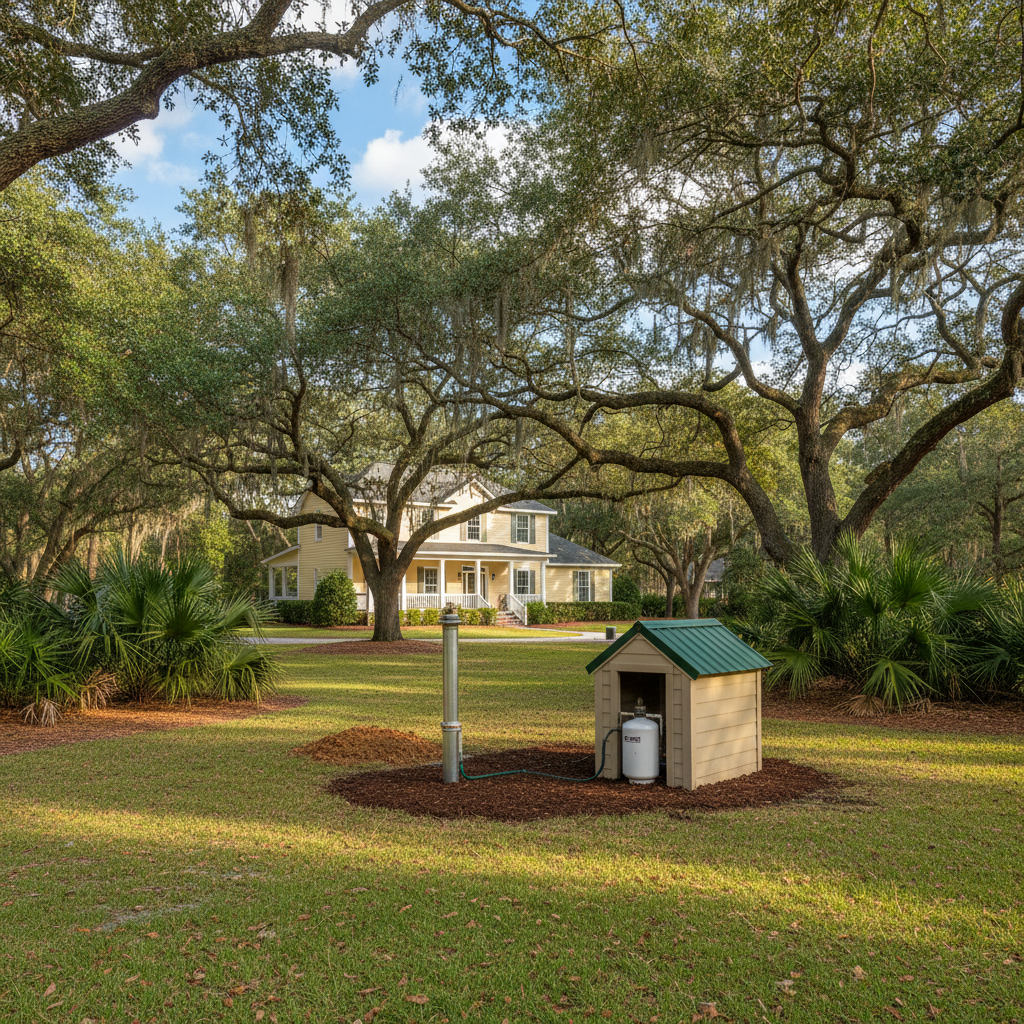
Alright, Summerville folks, let's talk about your well. You've got a great setup, providing fresh water right to your home. But just like anything else, it needs a little love and attention to keep it running right, especially with our Lowcountry weather. I've seen it all working around here, from the heat of August to those surprisingly cold snaps in January. Knowing when to do what can save you a big headache and a chunk of change.
Summer: Heat, Humidity, and High Demand
Summers here are no joke. It's hot, it's humid, and everyone's watering their lawns, filling pools, and just generally using more water. This is when your well pump really works overtime. I always tell people, if you're going to schedule a routine check-up or any preventative maintenance, late spring or early summer is a smart move. Before the real heat hits, get your pressure tank checked, make sure your pump's drawing efficiently, and have us take a look at your water quality. The last thing you want is your pump giving out when it's 95 degrees and you're trying to cool off.
Another thing I see a lot in the summer, especially after those afternoon thunderstorms, is power surges. If you've got an older pump or no surge protector, that can be a real killer. Consider having a surge protector installed for your well pump. It's a small investment that can prevent a much larger repair bill.
Fall: Preparing for Cooler Weather
Once the leaves start to change (or at least try to here in Summerville), it's a good time to think about what's coming. While we don't get super harsh winters, we do get freezes. You'll want to make sure any exposed pipes or components of your well system are properly insulated. Check your well cap for any cracks or damage, too. Critters love to find warm spots as it gets colder, and you don't want them getting into your water source.
This is also a good time to get your water tested again, especially if you noticed any changes in taste or smell over the summer. Heavy rains can sometimes affect groundwater, and it's always better to catch any issues early. Oasis Well Drilling can handle those tests for you and give you peace of mind.
Winter: Freezes and Low Usage
Even though our winters are mild compared to up north, we still get those cold snaps where temperatures dip below freezing for a few days. This is when you need to be extra careful about pipes freezing. If you have a well house, make sure it's sealed up tight and maybe throw a small heater in there on the coldest nights. For above-ground pipes, insulation is key. A frozen pipe can burst, leading to major water loss and damage.
Also, during winter, water usage often drops. This can sometimes lead to stagnant water in parts of your system if it's not designed right, or if you're gone for extended periods. It's not usually a big deal, but if you notice any off-flavors when you come back, run your taps for a bit to flush the lines.
Spring: Post-Winter Check-Up and Rain
Ah, spring in Summerville. It brings beautiful weather, but also a lot of rain. After the winter, it's a smart idea to do a quick visual inspection of your wellhead. Look for any signs of erosion around the casing, especially if you live in an area with sandy soil like we have around here. Heavy rains can wash away soil and expose parts of your well that should be buried.
This is also a great time to schedule any deeper maintenance you might have put off. After the stress of summer and the chill of winter, a spring check-up can ensure everything's in top shape for the year ahead. We can check your pump's electrical connections, inspect the well casing, and make sure your pressure switch is calibrated correctly.
Keeping an eye on your well system year-round isn't just about preventing breakdowns; it's about protecting your investment and ensuring you always have clean, reliable water. If you've got questions or need a hand, don't hesitate to give us a call at Oasis Well Drilling. We're here to help our Summerville neighbors.