When's the best time to drill a well here in Summerville? That's a question I get a lot, and honestly, there's no single perfect answer. It really depends on a few things: the weather, your timeline, and what you're hoping to get out of it. But I can tell you what I've seen work best over the years, and what conditions can throw a wrench in the whole operation.
The Lowcountry Climate and Your Well Project
Our climate here in Summerville is unique, right? We've got those hot, humid summers and mild winters. That impacts everything, including well drilling. The biggest factor for us is usually the ground conditions and accessibility. After a really wet spell, especially during our hurricane season or those long, rainy spring weeks, the ground can get pretty saturated. That makes it tough to move heavy drilling equipment around without tearing up your yard or getting stuck. Nobody wants that.
We're talking about heavy machinery here – big rigs that need stable ground. If your property is already a little soft, or you've got that classic Lowcountry clay that turns into a slick mess when wet, we might need to wait for things to dry out. It's not just about getting stuck; it's about safety for my crew and making sure we can do the job right without damaging your property more than necessary.
When to Schedule Your Well Drilling
So, when's the sweet spot? Generally, I find late fall through early spring is often ideal. The ground tends to be drier then, and the temperatures are more manageable for the crew. We're not battling the intense summer heat and humidity, which can slow things down and make for a tougher work environment. Plus, you avoid the peak of hurricane season, which brings unpredictable downpours and delays.
- Fall (October - November): Often great. The summer rains have usually tapered off, and the ground's had a chance to dry out. Temperatures are pleasant.
- Winter (December - February): Can be excellent. Cold snaps aren't usually severe enough to freeze the ground solid here, and it's typically our driest season.
- Spring (March - May): Hit or miss. Early spring can be good, but as we get closer to summer, the rain picks up, and the ground can get soft.
- Summer (June - September): This is usually our toughest time. High heat, humidity, and frequent thunderstorms or tropical systems can cause delays. If you need it done in summer, we'll do it, but be prepared for potential weather-related rescheduling.
That said, if you have an urgent need, like a failed existing well, we'll always prioritize getting you water, regardless of the season. We'll just have to be extra careful and maybe put down some temporary access mats to protect your lawn.
Weather Conditions That Affect Our Work
Beyond just rain, a few other weather conditions can impact a well drilling project:
- Heavy Rain/Flooding: This is the big one. Saturated ground makes it impossible to safely operate heavy equipment. We'll have to pause or reschedule.
- Lightning: For obvious safety reasons, we can't operate drilling equipment during a lightning storm.
- High Winds: While less common for drilling itself, high winds can affect auxiliary equipment or make setting up certain components unsafe.
- Extreme Heat: My crew works hard, and extreme heat can lead to slower progress and necessary breaks for safety. We're not going to push anyone to the point of heat exhaustion.
We always keep an eye on the forecast. If we see bad weather coming, we'll be in touch to adjust the schedule. Your safety and the quality of our work are always top priority at Oasis Well Drilling.
Protecting Your Well Investment Year-Round
Once your well is in, you want to keep it running smoothly, right? A little year-round attention goes a long way, especially with our Summerville climate.
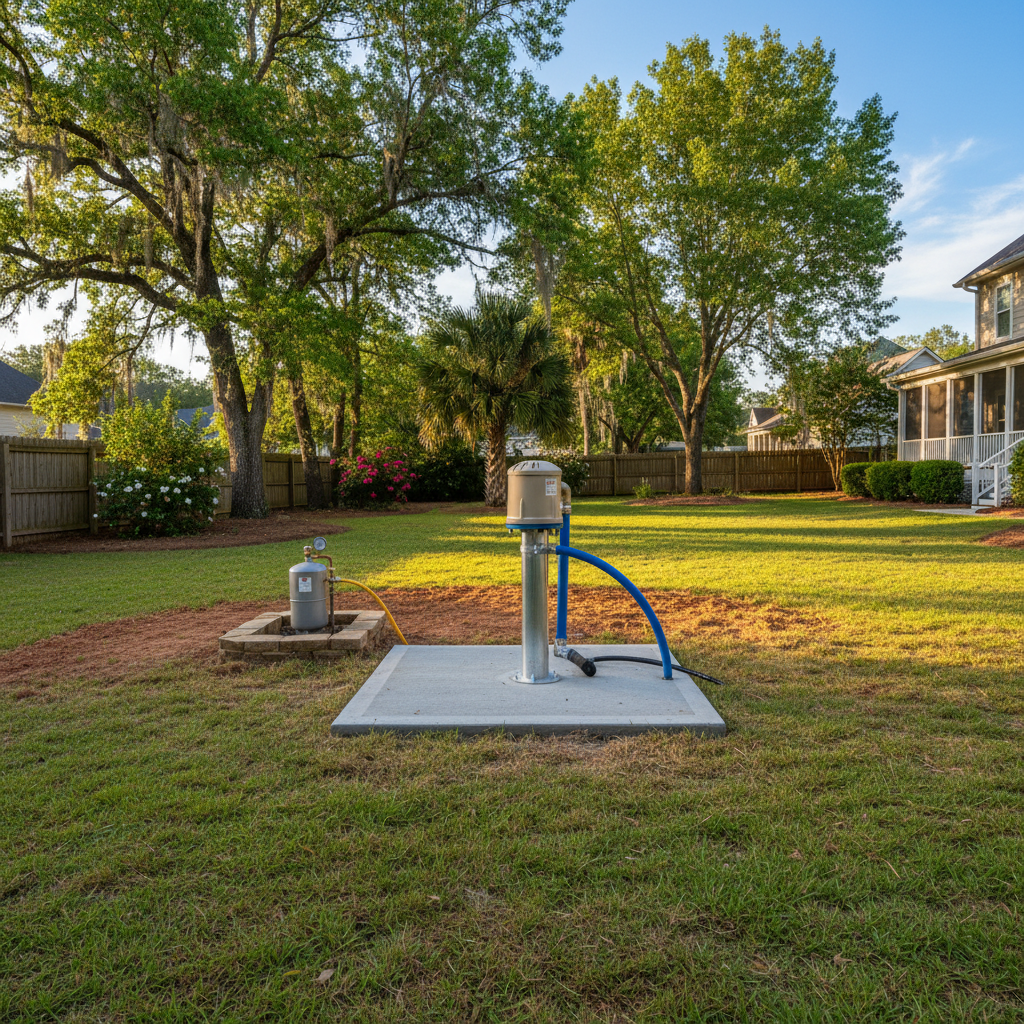
First, keep an eye on the wellhead. It's that pipe sticking out of the ground. Make sure it's clear of debris, overgrown plants, and anything that could fall into it or block access. We've got plenty of critters around here, so a secure, sealed well cap is crucial to keep out insects, small animals, and surface contaminants.
During those colder winter nights, even though we don't get hard freezes often, it's a good idea to insulate exposed pipes, especially those leading from your well to your house. A little pipe insulation from the hardware store can save you a big headache if we get an unexpected cold snap. I've seen plenty of burst pipes from folks who thought it wouldn't get cold enough.
Regular water testing is also smart. Even if your water tastes fine, things can change. I usually recommend testing at least once a year for bacteria and nitrates, and every few years for a broader panel. It's like a check-up for your water quality.
Finally, don't ignore strange noises or changes in water pressure. Your well pump works hard, and if it's struggling, it's better to catch it early. Give us a call if something seems off. A little proactive maintenance can prevent a major repair down the road.