Alright, let's get straight to it. You're wondering about the price tag for a new well here in Summerville. It's not as simple as picking a number out of a hat, but I can give you a solid breakdown of what influences the cost and what you should expect to pay. I've drilled enough wells around here to know the ins and outs.
What Makes Well Drilling Prices Go Up or Down?
There are a few big factors that really swing the price. It's not just the depth; that's a common misconception. Sure, deeper wells cost more, but there's more to it.
- Depth of the Well: This is the most obvious one. The deeper we have to go to hit good, clean water, the more it's going to cost. Here in Summerville, especially if you're out towards Ridgeville or closer to the swampy areas, you might need to go a bit deeper to get past some of the shallower, iron-rich layers. We're often looking at 200 to 400 feet, but sometimes more. Every foot costs money for labor, equipment wear, and casing.
- Geology of Your Land: This is a huge one. Some areas around here are mostly sand and clay, which is easier to drill through. Other spots, especially if you're closer to the old Dorchester Road area, can have some tougher marl or limestone layers. Hitting rock means slower drilling, more specialized bits, and more wear and tear on our equipment. That adds to the cost.
- Casing Material and Diameter: We use casing to line the borehole and keep it from collapsing. PVC is common and generally cheaper, but sometimes steel casing is needed for certain ground conditions or if you want extra durability. The diameter also matters – a 6-inch well costs more per foot than a 4-inch well because it requires a bigger hole and more material.
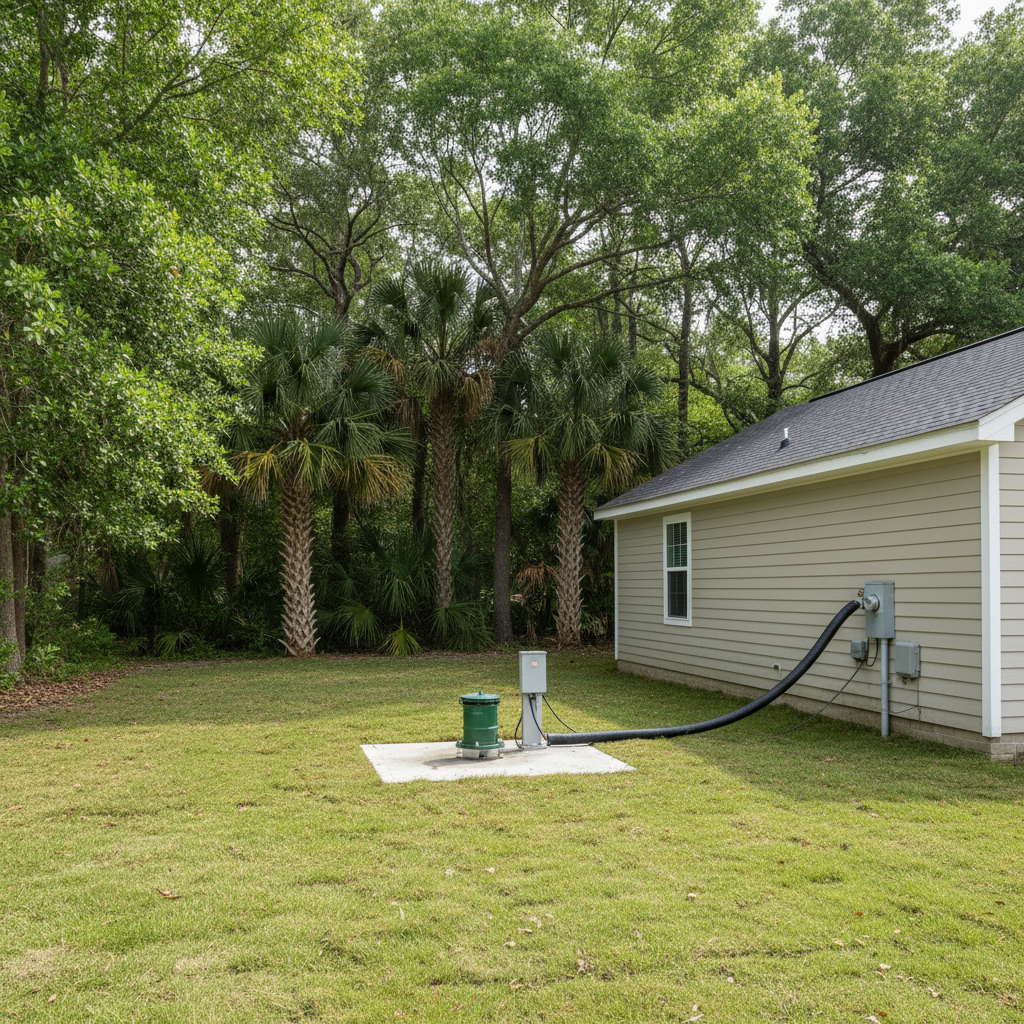
- Pump System & Pressure Tank: The well itself is just half the story. You need a pump to get the water out and a pressure tank to store it and maintain consistent pressure in your home. The size and type of pump (submersible is standard for most residential wells) and the size of the pressure tank will impact the overall cost. A bigger house with more fixtures needs a more robust system.
- Water Quality & Treatment Needs: While not directly part of the drilling, if your water comes back with high iron, sulfur, or hardness, you'll need a water treatment system. That's an additional cost, and it's something we always discuss upfront. We want you to have good, usable water, not just water.
- Permits and Fees: Don't forget these. There are local and state permits required for drilling a well, and those come with fees. We handle all the paperwork for you, but those costs are part of the overall project.
Typical Cost Ranges for a Residential Well in Summerville
Okay, so what's the actual number? For a complete, ready-to-use residential well system here in Summerville, including drilling, casing, pump, pressure tank, and all the hookups to your house, you're generally looking at a range of $8,000 to $15,000. That's a big range, I know, but it reflects all those factors I just mentioned.
For a basic, shallower well (say, 200-250 feet) in relatively easy ground, you might be on the lower end. If you're needing to go 400+ feet, hit some tough rock, or require a larger pump system for a big home, you'll be closer to or even exceed that higher number. I've seen some more complex jobs push towards $18,000-$20,000, but that's less common for a standard residential setup.
What's Included in a Quote from Oasis Well Drilling?
When you get a quote from us, it's comprehensive. We don't like surprises, and I'm sure you don't either. Here's what you can expect to see:
- Drilling Costs: This is usually broken down per foot, so you can see the cost for the actual hole.
- Casing and Screen: The materials and installation for the well casing and the well screen (which keeps sediment out).
- Well Cap: To protect the top of your well.
- Submersible Pump: The cost of the pump itself, sized correctly for your well's depth and your home's needs.
- Pressure Tank: The tank that stores water and maintains pressure.
- Trenching and Piping: Running the water line and electrical conduit from the well to your house.
- Electrical Hook-up: Connecting the pump to your home's electrical system (often handled by a licensed electrician we work with, or your own).
- Permits and Fees: All the necessary paperwork and associated costs.
- Water Testing: A basic test to check for common issues like bacteria, pH, and hardness.
- Site Cleanup: We don't leave a mess behind.
How to Avoid Overpaying for Your Well
You want a good deal, and you want quality work. Here's my advice:
- Get Multiple Quotes: Don't just go with the first guy. Get at least two or three detailed quotes. Make sure they're comparing apples to apples – the same depth estimates, casing type, pump size, etc.
- Ask for References: A reputable driller will have happy customers. Call them. Ask about their experience, professionalism, and if there were any unexpected costs.
- Understand the Contract: Read every line. What's included? What's an extra charge? Are there allowances for hitting rock? What's the warranty on the pump and the well itself?
- Don't Chase the Absolute Cheapest Price: This isn't like buying a TV. A well is a long-term investment in your property and your water supply. Going with the cheapest option often means cutting corners on materials or experience, and that can lead to expensive problems down the road. You want a driller who knows the local geology and has a good track record.
- Ask About Experience in Your Area: Summerville has varied soil conditions. A driller who's worked extensively in your specific neighborhood will have a better idea of what to expect, which can prevent costly surprises.
Drilling a well is a big project, but it's one that can provide you with a reliable, independent water source for decades. Do your homework, ask the right questions, and you'll end up with a system that serves you well.