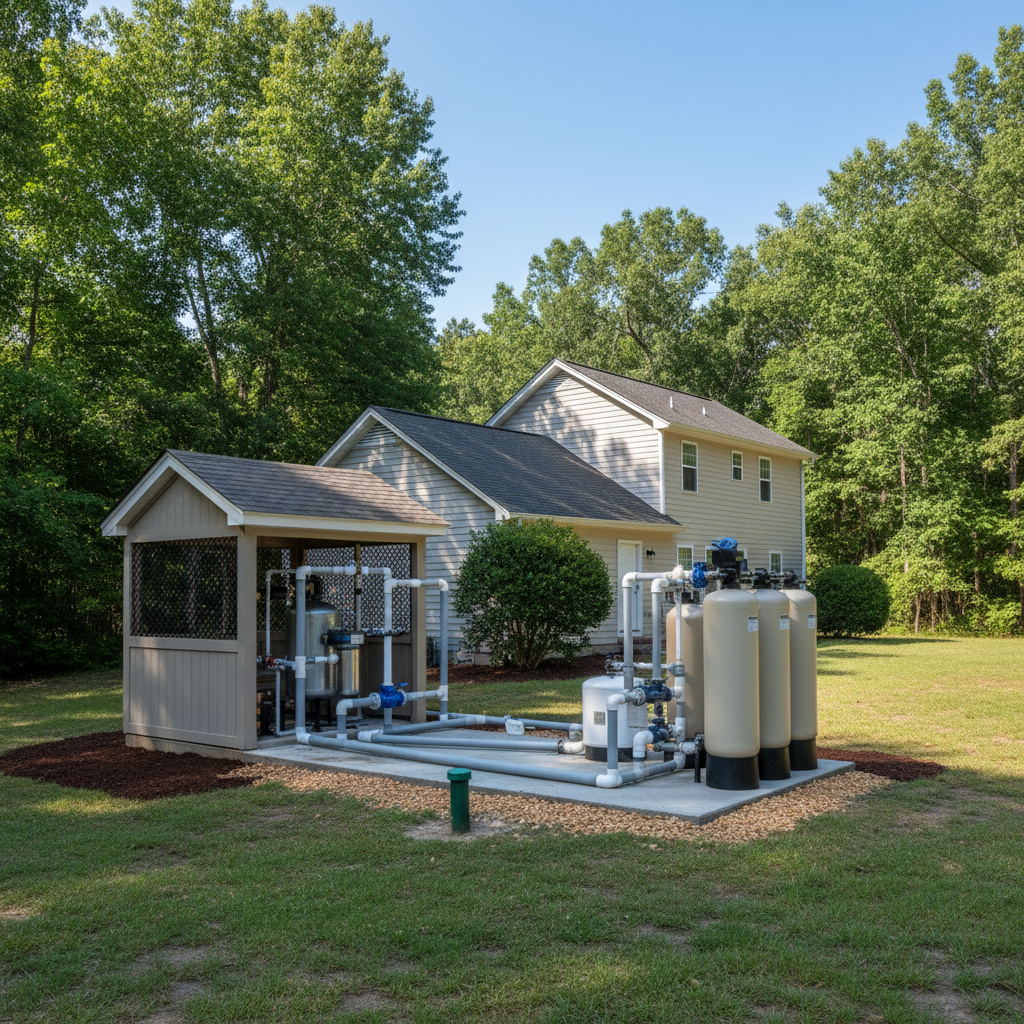
Alright, so you're thinking about getting a water treatment system for your place here in Summerville. Maybe your water tastes a little off, or you've got that classic Lowcountry hard water leaving spots everywhere. Whatever it is, you've decided it's time to do something about it. That's a smart move, really. But before you jump in, let's talk about how to plan this whole thing out so it goes smoothly.
Setting Your Timeline: Don't Rush It
First off, don't expect this to happen overnight. A good water treatment project takes a little time, and that's actually a good thing. You're looking at a few key phases, and each one needs its own space to breathe.
- Initial Research & Testing: This is where you figure out what's actually in your water. You might do a basic test yourself, but I always recommend getting a professional water analysis. That's going to tell you exactly what contaminants you're dealing with – iron, sulfur, hardness, maybe even some of those PFAS chemicals we're hearing more about these days. This step alone can take a week or two, especially if you're sending samples to a lab.
- Getting Quotes & System Design: Once you know what you're treating, you'll need to get a few quotes from different companies. They'll design a system specific to your needs; this isn't a one-size-fits-all deal, you know? Give yourself a couple of weeks here to compare options and ask questions.
- Permitting (if needed): Most residential water treatment systems don't require major permits, but if you're tying into a new well or making significant changes to your plumbing, it's worth checking with the town or county. This can add anywhere from a few days to a few weeks, depending on how busy the local building department is.
- Installation: Actual installation usually only takes a day or two for most residential systems. But getting on the installer's schedule can take a week or two, especially during busy seasons.
So, from start to finish, you're probably looking at anywhere from 4 to 8 weeks. Plan for that, and you won't be stressed.
What to Expect During the Process
When it's go-time, here's what you can generally anticipate:
The crew will show up, usually with a truck full of equipment. They'll need access to your main water line, which is often in your garage, a utility closet, or outside near your well pump if you're on a private well. They'll also need a drain nearby for backwashing or regeneration cycles, and an electrical outlet for most modern systems.
They'll typically shut off your main water supply for a few hours while they cut into the lines and install the new equipment. Don't worry, they'll usually give you a heads-up so you can fill up a pitcher of water or use the bathroom before they start. It's a good idea to clear the area around where they'll be working – move boxes, tools, whatever's in the way. They'll connect the system, test for leaks, and make sure everything's running right. They should also walk you through how it works, how to maintain it, and what to look for.
Sometimes, especially with well water that's got a lot of iron or sulfur, you might notice a slight change in pressure or even a temporary odd smell right after installation. That's usually just the system flushing out or settling in. It should clear up quickly.
How to Prepare Your Home
Preparation isn't just about clearing space. Here's a quick checklist:
- Know Your Water Source: Is it city water or a private well? This changes the type of system you'll need and what issues you're likely to face.
- Locate Your Main Water Shut-Off: You'll need to show the crew where this is. Make sure it's accessible and working.
- Clear the Path: As I said, clear the area where the equipment will go and where the crew will be moving.
- Ask About Drain Access: Confirm with your contractor where the system will drain. Is it a utility sink, a floor drain, or outside? Make sure that spot is clear too.
- Pet & Kid Safety: Keep pets and small children away from the work area. There will be tools, pipes, and possibly some noise.
- Have Questions Ready: Don't be shy. This is your home and your water.
We've installed countless systems for folks all over Summerville, from the older homes downtown to the newer builds in Cane Bay, and a little prep goes a long way to making the job smooth for everyone.
Questions to Ask Before You Sign
This is crucial. Don't just sign on the dotted line without understanding what you're getting into. Here are some questions I'd ask if I were in your shoes:
- What specific contaminants will this system treat, and to what levels? Make sure they can show you how the system addresses the issues identified in your water test.
- What's the expected lifespan of the equipment? And what's covered under warranty? You want to know how long this investment is supposed to last and what happens if something breaks.
- What's the ongoing maintenance like? Do I need to add salt? Change filters? How often? What's the cost of those consumables?
- What are the operating costs? Does it use a lot of electricity? How much water does it use for backwashing?
- Can you provide references from other homeowners in the Summerville area? A good local company like Oasis Well Drilling should have plenty of happy customers.
- Is the installation included in the price? What's the estimated timeframe for completion? Get a clear understanding of the full cost and how long the actual work will take.
- What happens if the system doesn't perform as expected after installation? What's their policy for adjustments or troubleshooting?
- Are your technicians certified or trained specifically for this type of equipment? You want experienced pros working on your water, right?
Asking these questions upfront will save you headaches later. You'll feel more confident in your decision and know exactly what to expect from your new water treatment system. Good water makes a huge difference, and getting it right from the start is worth the effort.