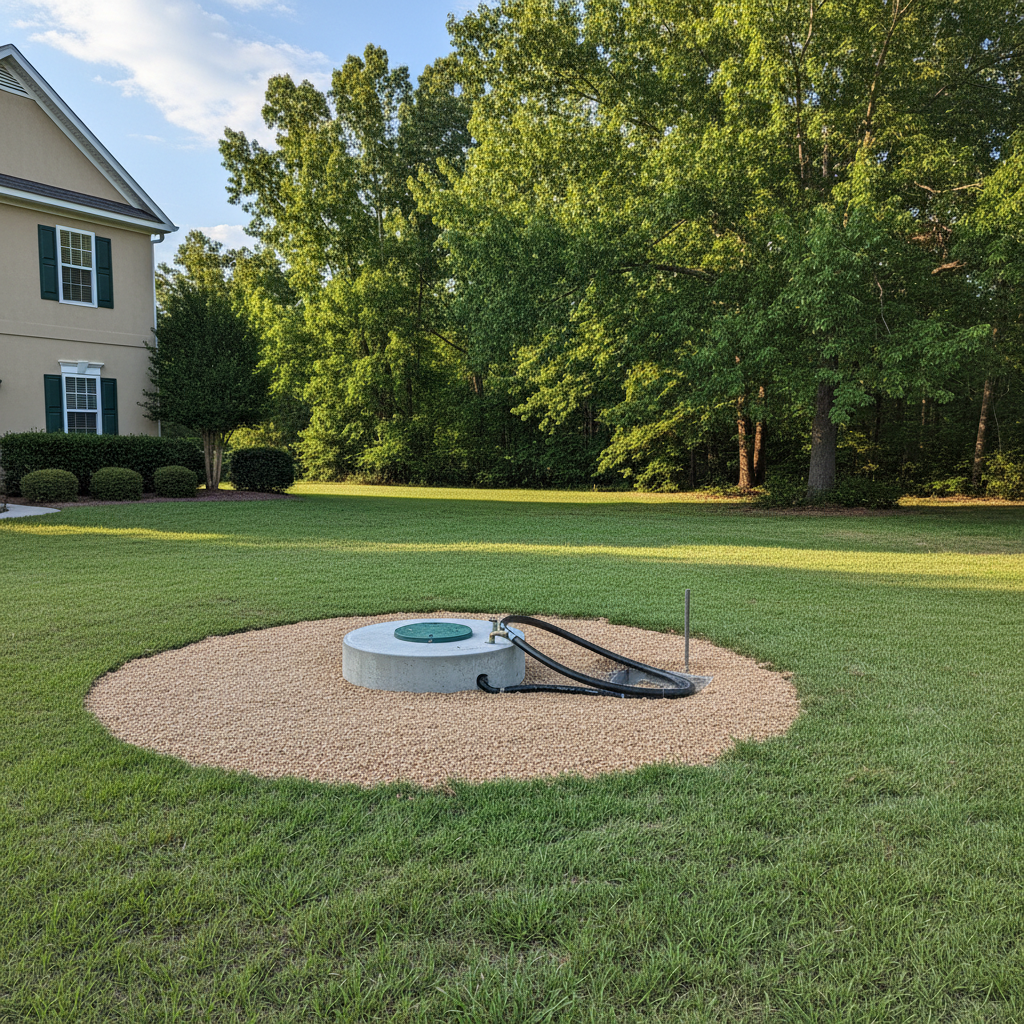
Environmental drilling isn't just about putting holes in the ground; it's about creating systems that protect our land and water. Whether you've got monitoring wells, remediation wells, or something else entirely, you've made a significant investment in your property and our community's health. You want that investment to last, right? So let's talk about keeping it in top shape.
Extending the Life of Your Environmental Drilling Project
The biggest thing you can do to extend the life of any environmental drilling work is to protect it from damage. That sounds simple, but you'd be surprised. For monitoring wells, that means making sure the protective casing and cap are always secure. If you've got vehicles, lawnmowers, or even just heavy foot traffic near these points, you need to make sure they're clearly marked and protected. I've seen plenty of wellheads get clipped by a weed eater or backed over by a truck, especially in those tight spots around older homes in places like historic downtown Summerville.
For remediation systems, it's about keeping the above-ground components — pumps, piping, control panels — safe from the elements and accidental bumps. Regular cleaning of any vents or filters is also key. Our humid, salty air here in coastal South Carolina can be tough on metal and electronics, so keeping things clean and dry where possible makes a huge difference.
What Regular Maintenance Looks Like
Think of it like changing the oil in your car. You wouldn't skip that, would you? Environmental systems need similar routine checks. Here's what I recommend:
- Visual Inspections: Walk around your site regularly, maybe once a month. Look at all exposed components. Are there any cracks in the well casing? Is the cap secure? Are there any signs of tampering or damage? For remediation systems, check for leaks, strange noises from pumps, or unusual smells.
- Data Review: If you have a monitoring system, keep an eye on the data. Are flow rates consistent? Are contaminant levels changing as expected? Any sudden, unexplained shifts could point to a problem.
- Site Upkeep: Keep vegetation cleared around wellheads and equipment. Roots can damage casings, and overgrown plants can hide problems or make access difficult. Make sure drainage around the well is good; you don't want standing water pooling around the wellhead, especially after one of our heavy summer thunderstorms.
- Filter and Screen Checks: If your system has filters or screens, they'll need cleaning or replacement. How often depends on what you're filtering and the specific site conditions, but it's usually part of a scheduled professional service.
Warning Signs of Problems
You're not a drilling expert, and you don't need to be. But you can learn to spot the red flags that tell you something's not right. Trust your gut on these:
- Visible Damage: Obvious cracks, bends, or breaks in well casings, protective covers, or above-ground equipment. If a well cap is missing or loose, that's a problem.
- Unusual Odors or Discoloration: Around a remediation system, if you suddenly smell something strong or see discolored water where you shouldn't, that's a definite warning.
- Changes in Water Levels or Flow: For monitoring wells, if the water level seems drastically different than usual without a clear reason (like a recent drought or flood), it could indicate an issue with the well itself. For remediation pumps, if flow rates drop or stop entirely, you've got a blockage or a pump failure.
- Strange Noises: Grinding, banging, or excessive vibration from pumps or other mechanical components are never good signs.
- System Alarms: Many modern remediation systems have alarms. If one goes off, don't ignore it.
- Sinkholes or Subsidence: This is a big one. Any new depressions or sinkholes forming around a well or drilling site could indicate a serious subsurface issue, like a compromised well seal or erosion. Our sandy soils here in Summerville can be prone to this if things aren't properly installed or maintained.
When to Call a Professional
Look, you've got a lot on your plate. You don't need to be an expert in well integrity or pump diagnostics. That's what I'm here for. You should call a professional like Oasis Well Drilling any time you spot one of those warning signs. Don't wait until a small issue becomes a major, expensive repair. It's always cheaper to fix something early.
Also, even without obvious problems, I recommend a professional inspection of your environmental drilling assets at least once a year. We'll check the integrity of the well, the functionality of pumps and sensors, and ensure everything is up to code and performing as it should. We've got the specialized tools and experience to spot subtle issues you might miss and keep your system running efficiently for the long haul.
Don't Neglect Your Investment
Your environmental drilling project is an important asset. A little proactive care and attention can save you a lot of headaches and money down the road. Keep an eye on things, and don't hesitate to reach out if you have any concerns.